Deciphering Malaysia’s Road Tax: A Vital Aspect of Vehicle Ownership
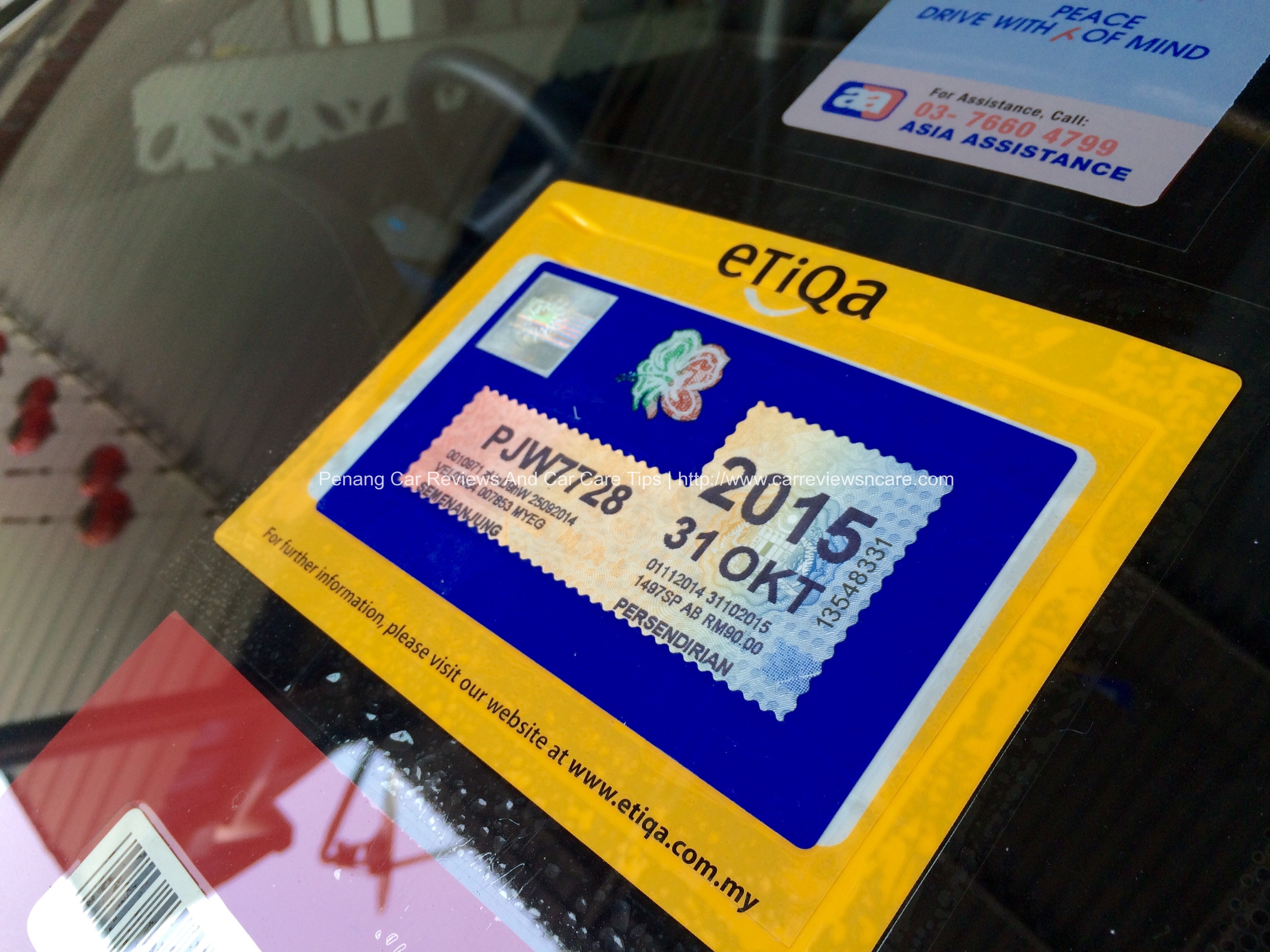
In the complex world of Malaysian road regulations, one crucial component remains at the forefront of every vehicle owner’s mind – road tax. From understanding the intricacies of insurans kenderaan to navigating the official process known as JPJ cukai jalan, and the implications of having a no road tax vehicle, this comprehensive guide unravels the essential elements of road tax in Malaysia.
The Essence of Road Tax
The Significance of Road Tax
Road tax is more than a mere financial obligation; it’s a legal mandate that every vehicle owner in Malaysia must adhere to. It’s the fee that grants you the privilege of legally using the nation’s roads. The categorization of your road tax is determined by your vehicle’s engine capacity, often measured in liters. For instance, insurans kenderaan may relate to vehicles with specific engine capacities.
The Role of JPJ Cukai Jalan
The collection and management of road tax fall under the purview of the Road Transport Department of Malaysia, or Jabatan Pengangkutan Jalan Malaysia (JPJ). The JPJ cukai jalan is responsible for ensuring compliance with road tax regulations. Failing to pay the prescribed road tax can result in fines and legal repercussions.
Calculating Road Tax Costs
Engine Capacity and Fuel Type
The calculation of road tax is rooted in straightforward principles. It primarily hinges on your vehicle’s engine capacity and the type of fuel it utilizes. Smaller engines, commonly found in compact vehicles, often incur lower road tax costs. Conversely, high-performance vehicles with larger engine capacities tend to be associated with significantly higher road tax expenses.
Age of the Vehicle
In addition to engine capacity, the age of your vehicle plays a role in determining road tax costs. Older vehicles may qualify for reduced road tax rates, providing some financial relief to owners of vintage automobiles.
Implications of No Road Tax
Legal Consequences
Driving a vehicle with no road tax is a grave violation of Malaysian law. If you’re caught operating a vehicle without valid road tax, you may face fines and penalties, including the potential impoundment of your vehicle. It’s essential to ensure that your road tax is up to date to avoid such legal repercussions.
Financial Risks
Aside from the legal consequences, no road tax also exposes you to financial risks. In the event of an accident or damage to your vehicle, insurance claims might be denied if your road tax is not current. This can result in substantial out-of-pocket expenses.
The Road Tax Renewal Process
Annual Renewal
For most vehicle owners in Malaysia, road tax renewal is an annual obligation. It typically coincides with the renewal of vehicle insurance. This synchronized approach streamlines the process, making it more convenient for vehicle owners to ensure compliance.
Grace Periods and Penalties
It’s crucial to be aware that there is a grace period for road tax renewal, generally lasting up to one month after its expiry. Failing to renew within this grace period can lead to penalties, fines, and potential legal actions. Therefore, it’s advisable to renew your road tax promptly to avoid any complications.
Conclusion
Road tax in Malaysia is more than just a financial responsibility; it’s a cornerstone of responsible vehicle ownership. From grasping the nuances of insurans kenderaan to understanding the role of JPJ cukai jalan, and the potential repercussions of having a no road tax vehicle, this guide empowers you with the knowledge needed to navigate the intricacies of road tax.
It’s vital to stay informed and ensure your road tax is up to date to avoid legal troubles and financial risks. Compliance with road tax regulations not only keeps you on the right side of the law but also provides peace of mind as you travel the roads of Malaysia.




Post Comment
You must be logged in to post a comment.