What Gives Beetroot Its Distinctive Color and Makes It Useful in Food Products?
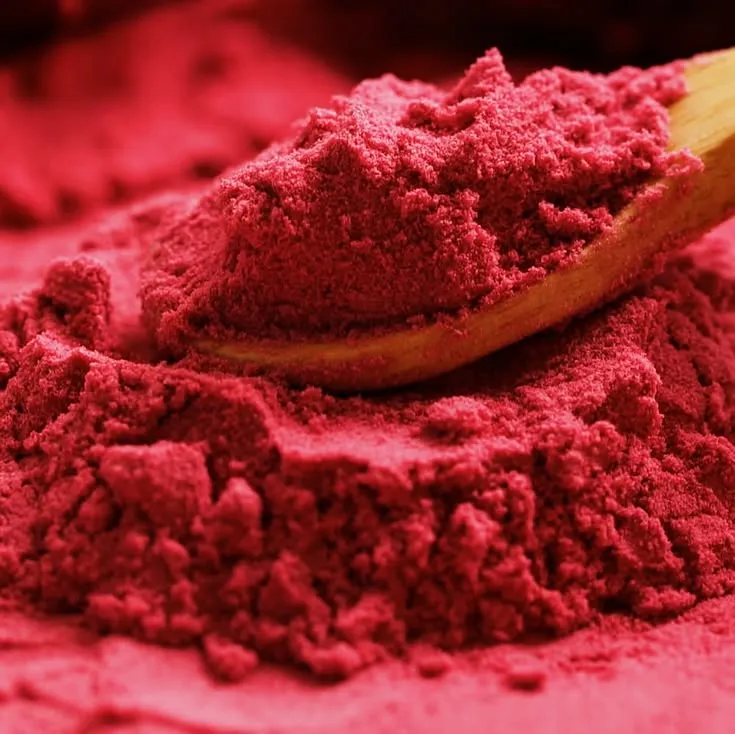
Beetroot is available in its natural, brilliant red color and is therefore an interesting food for color development. Its unique red and reddish-purple colors can be used to enhance the appearance of numerous food formulations. Manufacturers are encouraged to delve into the properties of Beetroot Colour to create new products, such as beverages, confectionery, dairy products, sauces, desserts and others where the naturally derived appearance is suitable for their product concept. Knowing where the colors come from and the formulation needs can aid in making thoughtful color choices.
Understanding the Natural Color of Beetroot
Betalains, which are found naturally, give the Colour Of Beetroot its distinctive color. The pigments include betacyanin, which can add red to purple hues, and betaxanthins, which can add yellowish tones. They combine for the familiar look of beetroot.
These natural pigments are an interesting element for food manufacturers to start color development from. The color obtained may vary depending on the method of preparation, concentration, food matrix and processing conditions. This is because practical formulation testing is a crucial aspect of the selection process.
Why Beetroot Is Considered for Food Color Development
Color sources are sought after by manufacturers for their ability to match the concept of a given food product. Beetroot shades are ideal for shading products based on fruit, berry, dessert or any other concept to express the color.
Its color can be analyzed on various products such as drinks, sweets, milk and dairy products, bakery products, sauces, desserts and some plant-based products. Depending upon the desired shade and the conditions of the formulation after application, the most appropriate application will be used.
In addition to being based on a list of ingredients that appear in a sample, the developer can assess the appearance of the ingredient when used in the actual product. This provides a better idea of what the completed project will look like.
Matching Beetroot Color with the Food Application
The characteristics of formulations differ for each food application. A drink might be liquid and have a specific acidity, and a baked good might undergo great heat in its processing. Processing and storage conditions are added for frozen desserts and confectionery products.
Such differences can be helpful in application-specific testing. Product developers can review the color at various stages of development and determine which is the best approach for obtaining the desired color.
The desired shade should also be set from the start. Based on the item, a few need a soft red tone, while others take a deep or dark shade. Setting a clear color goal speeds up how teams pick their ingredients.
Considering Processing Conditions
Processing is an important part of natural color development. The color appearance can be affected by factors like heat, pH, light exposure, mixing and storage.
Manufacturers can do small-scale trials, as close to the production process as possible. This can help them to understand the color action before and during preparation and whether there is any change in formulation. Testing under real-life conditions is also useful information for consistent production procedures. With the preferred approach determined, the manufacturers can document all information about the application for future batches.
Choosing the Appropriate Ingredient Format
Natural color ingredients come in various forms, and the format that will be appropriate will be dependent on the food system and manufacturing process. There are benefits to using liquid or powdered ingredients depending on the measurement, mixing and dispersion methods used.
When assessing a format, product developers should think about moisture content of the formulation, sequence of the ingredients used and the type of equipment available, as well as the dispersion. A proper format will allow for easier incorporation and provide for uniformity in the finished product. Samples can be very helpful in this instance. When trying out different options in the real product, development teams will gain more understanding of how the product will be handled and perform before going into commercial production.
Creating Consistent and Attractive Products
After the appropriate beetroot-derived color solution has been found, the producers can record significant formulation information. These can be the instructions for dosage, mixing instructions, processing conditions and desired end color.
When requirements are clear, it can help the production team keep the products looking alike from batch to batch. They can also act as a good reference in the creation of similar related products where the red and/or purple colors need to be the same. This systematic process can help bring color into the broader product design process, along with flavor, texture, ingredients, packaging and production needs.
Conclusion
The ideal naturally sourced red/purple option for manufacturers looking for color in a variety of food product categories is beetroot. When taking into account the pigment properties, processing conditions, physical state of the pigment, and the final product appearance, it is possible to develop a viable process that ensures consistent color achievement. For your next food or beverage idea, get some color inspiration by visiting foodrgb.com, explore natural color options and move your product idea forward.