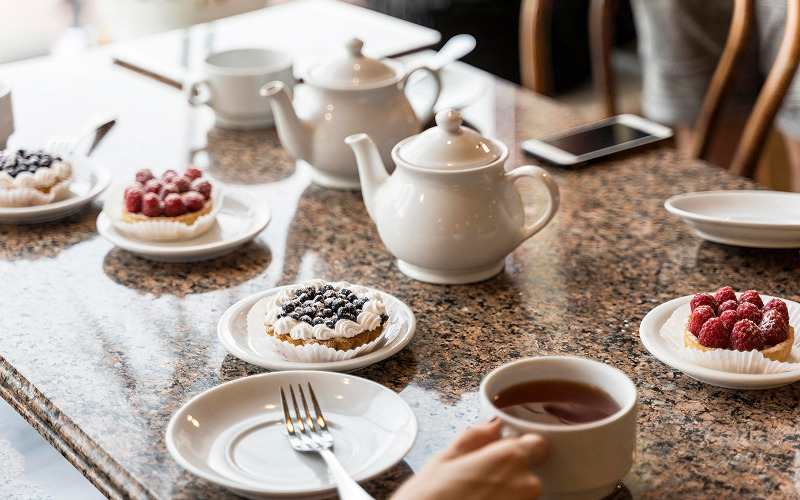
Feast Your Eyes: Innovative Recipes That Turn Every Meal Into a Masterpiece

Introduction & Background
In today’s fast-paced world, meals are often reduced to mere necessities rather than experiences to savor. Yet, the art of cooking has evolved far beyond tradition, embracing innovation that transforms every dish into a visual and culinary masterpiece. This shift reflects a growing desire for creativity in the kitchen, where presentation and flavor intertwine to create unforgettable dining moments. Whether you are a home cook or a professional chef, the ability to turn simple ingredients into stunning dishes elevates the entire meal experience.
Historically, food presentation was reserved for high-end restaurants or special occasions. Today, however, technology and modern techniques have democratized this art form, making it accessible to anyone willing to experiment. The rise of social media has further fueled this trend, with food enthusiasts sharing vibrant, Instagram-worthy meals that inspire others to rethink their approach to cooking. By blending tradition with innovation, we can rediscover the joy of eating and the pride of crafting something beautiful.
Concept & Overview
The idea behind “Feast Your Eyes” revolves around the philosophy that food should be as visually appealing as it is delicious. This concept goes beyond mere garnishing; it involves thoughtful composition, color contrast, and texture that engage all the senses. At its core, innovative cooking is about breaking free from conventional molds and embracing techniques that surprise and delight. From deconstructed dishes to molecular gastronomy, the possibilities are endless for those willing to explore.
Key to this approach is the understanding that presentation begins long before plating. Ingredients should be selected not only for their taste but also for their visual potential. For example, heirloom tomatoes with their rich red hues or purple carrots can add vibrancy to a dish. Techniques such as smoking, torching, or even edible flower garnishes can elevate a meal from ordinary to extraordinary. The goal is to create a harmonious balance where each element complements the others, resulting in a dish that is both a feast for the palate and the eyes.
Key Features & Highlights
- Color Contrast: Using vibrant ingredients like beets, spinach, or saffron-infused rice can create striking visual effects. A plate with bright green herbs against a deep red sauce immediately draws the eye.
- Texture Play: Combining crispy, creamy, and tender elements adds depth to a dish. Think of a crunchy tuile resting atop a silky risotto or a sprinkle of toasted nuts over a smooth soup.
- Layered Composition: Building dishes in layers, whether horizontally or vertically, creates a sense of movement and intrigue. A parfait with alternating mousses or a stacked salad with distinct ingredients are great examples.
- Edible Decor: Flowers, microgreens, or even fruit slices can serve as natural garnishes that enhance both appearance and flavor. Edible flowers like nasturtiums or borage add a delicate touch to any plate.
- Modern Techniques: Tools like sous vide, spherification, or air frying can produce textures and shapes that were once impossible. For instance, sous vide cooking ensures perfectly tender meats that hold their shape beautifully.
- Minimalist Elegance: Sometimes, less is more. A single, perfectly seared scallop atop a bed of puréed cauliflower can be just as impactful as a complex arrangement.
Frequently Asked Questions / Pros & Cons
What makes a dish visually appealing beyond taste?
A dish becomes visually appealing when it balances color, texture, and composition in a way that feels intentional and harmonious. The arrangement should guide the eye naturally across the plate, while each element should contribute to the overall aesthetic. For example, a drizzle of sauce can create a sense of movement, and a sprinkle of herbs can add a pop of color. The key is to think of the plate as a canvas where every ingredient plays a role in the final artwork.
Are innovative cooking techniques difficult to master?
While some advanced techniques like spherification or molecular gastronomy require practice and specialized tools, many innovative presentation ideas are surprisingly simple. Techniques such as torching a meringue to create a golden crust or using cookie cutters to shape vegetables can be learned quickly. The trick is to start small and gradually build confidence. Online tutorials, cooking classes, and experimenting at home can help anyone develop these skills over time.
Do visually stunning dishes always require expensive ingredients?
Not necessarily. Creativity often outweighs cost when it comes to presentation. A simple dish like a grilled cheese sandwich can be transformed with a sprinkle of edible gold leaf or a dusting of paprika for color. Seasonal produce, pantry staples, and even leftovers can be repurposed into beautiful meals with a little imagination. The focus should be on how ingredients are used rather than their price tags.
Pros and Cons of Prioritizing Presentation Over Flavor
- Pros:
- Enhances the dining experience by engaging multiple senses.
- Encourages creativity and experimentation in the kitchen.
- Can make meals more enjoyable, especially for picky eaters or children.
- Increases the perceived value of a dish, making it ideal for special occasions.
- Cons:
- Overemphasis on looks may compromise taste or nutritional value.
- Can lead to food waste if ingredients are used solely for decoration.
- Requires time and effort that may not always be feasible on busy days.
- Risk of creating overly complicated dishes that are difficult to replicate.
Practical Guidance & Solutions
If you are new to innovative cooking, start by focusing on one or two techniques that excite you. For example, practice creating vibrant purees by blending roasted vegetables with spices, or experiment with edible flowers to add a touch of nature to your plates. Use white or neutral-colored plates as a blank canvas to make colors pop, and consider the rule of thirds when arranging ingredients for a balanced look.
For those short on time, meal prep can be a game-changer. Cook a batch of grains or proteins ahead of time and store them in the fridge. When ready to serve, reheat and arrange them with fresh garnishes like herbs or citrus zest. This approach saves time while still allowing for creative presentations. Additionally, invest in a few key tools like a microplane for zesting, a kitchen torch for caramelizing, or a mandoline for thinly slicing vegetables.
Don’t be afraid to draw inspiration from other cultures. Japanese plating, with its emphasis on simplicity and natural beauty, or the bold colors of Mexican cuisine, can provide fresh ideas. Take photos of your dishes to track progress and identify what works best. Remember, the goal is not perfection but enjoyment and exploration. Every meal is an opportunity to learn and improve.
Conclusion
The act of turning every meal into a masterpiece is more than just a trend; it is a celebration of the senses and a testament to the joy of cooking. By embracing innovation and creativity, we can transform even the simplest dishes into works of art that delight both the palate and the eye. Whether you are a seasoned chef or a home cook, the key is to approach each meal with curiosity and a willingness to experiment.
So, the next time you step into the kitchen, ask yourself how you can make your dish not just edible, but unforgettable. With a little practice and a lot of passion, you will soon find that every meal becomes a feast for the eyes and a masterpiece in its own right. The journey of culinary creativity is ongoing, and the possibilities are as endless as your imagination.