Food Colors Manufacturer for practical color product needs
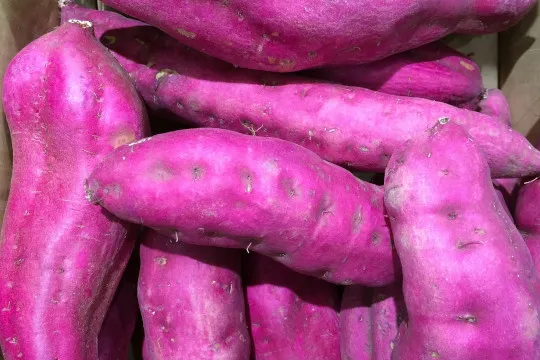
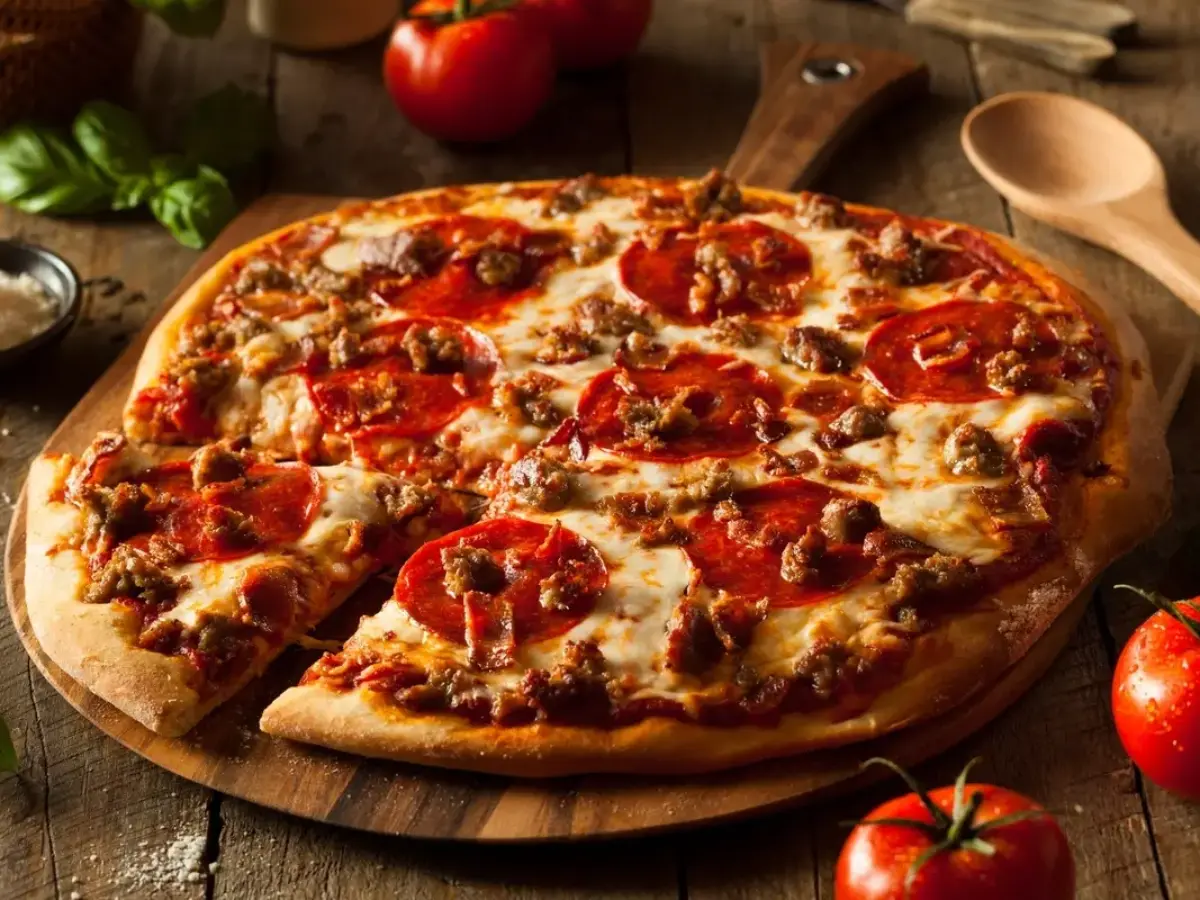
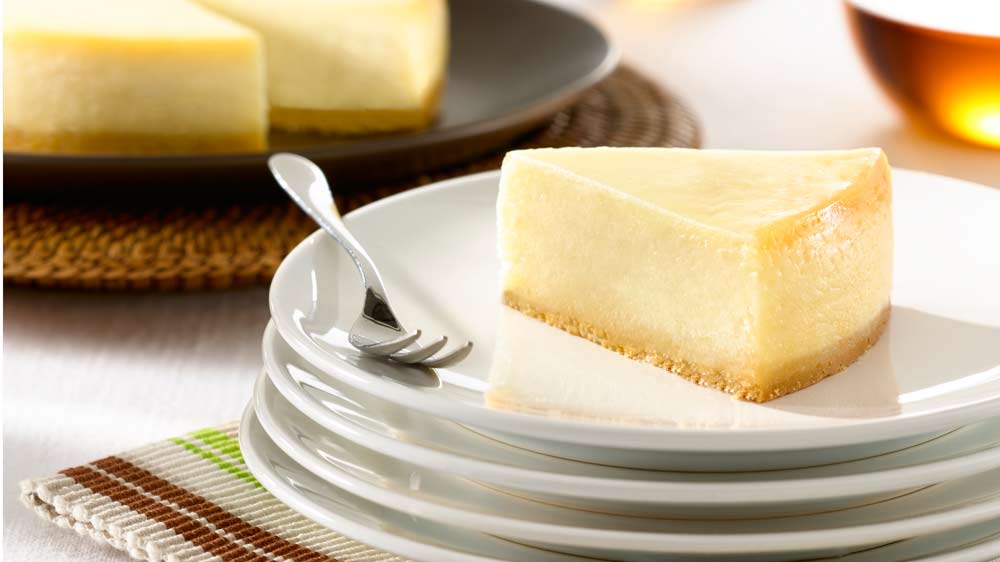
Food products start getting judged long before anyone tastes them properly. People look first. They notice shade, brightness, and whether the color feels normal or a little too forced. That quick reaction changes a lot. A snack can seem fresher because of the tone. A sauce can feel richer because of the way the color sits. This is why choosing the right Food Colors Manufacturer matters more than some brands expect when they first begin planning product development or ingredient sourcing.
Color supply affects more than appearance alone.
At first, color seems like one small part of a recipe. Then production begins, and suddenly every little detail starts mattering. Shade consistency, batch stability, storage response, and ingredient handling all begin showing up as real issues. A reliable Food Colors Manufacturer should help reduce those problems instead of adding more confusion to them. The job is not only to sell a color ingredient. The job is to support a product that needs to look right every single time it goes out.
Orange shades need a more careful balance.
Orange can be a very useful food color, but it also goes wrong quite easily. Too much intensity and the product can feel artificial. Too little depth and it starts looking weak or unfinished. A good natural orange food coloring works better when it gives warmth without becoming harsh. That is important in beverages, sweets, snacks, sauces, dairy products, and even bakery fillings. The best result is usually not the loudest one. It is the one that feels believable right away.
Manufacturing quality becomes obvious during scaling.
This is where a lot of product teams start paying closer attention. A sample might look perfect in a small test and still behave differently in full production. Heat, pH, moisture, oil content, and storage can all shift the result. That is why a strong Food Colors Manufacturer needs to understand application, not just shade matching. The same goes for natural orange food coloring, because the source and process both affect how the final color survives real manufacturing conditions.
Ingredient labels changed the buying process, too.
Years ago, some brands mostly wanted bright colors and fast supply. Things are not that simple now. Buyers read labels more closely, and businesses think harder about what those ingredient names communicate. This change pushed more attention toward natural orange food coloring and similar options that feel closer to real food sources. A capable Food Colors Manufacturer should understand that modern food color decisions now involve label comfort, product image, and customer trust right alongside technical performance.
Support matters after the shipment arrives
A supplier may look great on paper, but problems usually show up later. Questions about dosage, dispersion, heat response, or shelf behavior often appear after the ingredient is already in use. That is where there may be good support separating one supplier and the other. A trustworthy Food Colors manufacture must respond easily and assist in actual formulation issues. With the brands that employ natural orange food coloring, it may help save time, minimize wastes, and prevent the minor color problems to become recurrence errors.
Conclusion
Choosing a color supplier is not just a purchasing step because it directly affects product appearance, consistency, and how smoothly manufacturing runs later. At foodrgb.com, businesses can explore color options with more focus on application fit, sourcing quality, and realistic production performance across different food categories. A dependable Food Colours Manufacturer should help brands maintain stable shades while supporting cleaner ingredient direction where needed. The right natural orange food coloring can also bring warmth and shelf appeal without making the product feel artificial. Take your time and match your requirements of color with a partner that genuinely sustains quality of products in the long term.